
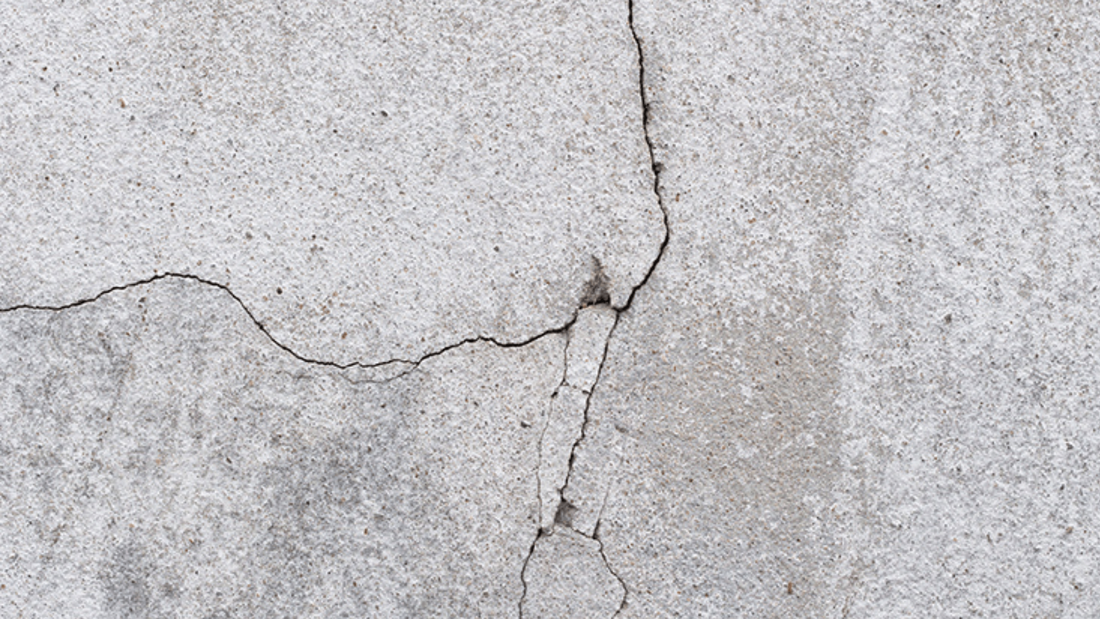
 Due to its durability and aesthetic appeal, stucco is a popular choice for external wall coatings. However, stucco, like any other material, can deteriorate with time. Recognizing stucco damage is critical for preventing additional deterioration and costly repairs. In this article, we will look at frequent indicators like stucco water damage, discuss the reasons, and offer advice on maintenance and repair. Signs of Exterior Stucco DamageHere are typical indicators of stucco damage that can help you handle the problem and stop future deterioration. 1. Cracking Stucco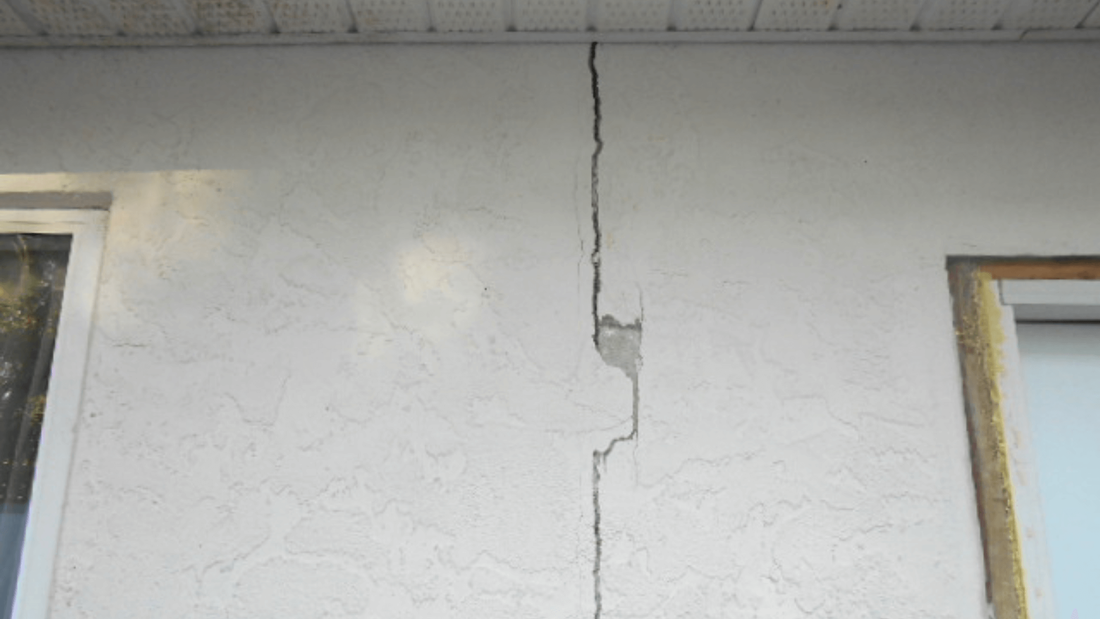 resource:howtolookatahouse.com Cracking is one of the most evident symptoms of stucco degradation. Stucco can become cracked due to thermal expansion, significant impacts, poor installation, or even simple aging. Small hairline cracks could be superficial and of little concern, but bigger cracks might be a symptom of more serious problems that must be addressed. In addition to affecting your home's exterior, cracked stucco can allow water to seep in, causing more harm. 2. DiscolorationAnother typical indicator of external stucco degradation is discoloration. Numerous things can cause stucco to turn discolored, including exposure to the sun, water infiltration, and the development of mold or algae. Dark streaks or patches of stucco with contrasting colors might detract from the aesthetic appeal of your house. To stop additional damage, discoloration may also be a warning of underlying moisture-related problems that need immediate care. 3. Rotting StuccoRotting stucco is a significant issue that might jeopardize the stability of your house. Although stucco is intended to be a moisture-resistant material, rot can develop if water seeps through and becomes trapped inside the stucco. In severe situations, rotting stucco may crumble or fall away from the supporting structure and feel spongy or squishy to the touch. Reproducing rotting stucco as soon as possible is critical to stop future damage and potential safety issues. 4. Crumbling StuccoAn obvious sign of serious degradation is crumbling stucco. This may happen due to water damage, poor installation, or extended exposure to extreme weather. The stucco may eventually stop sticking to the surface, break down, and disappear. Your home's outside is negatively impacted by crumbling stucco, which exposes the underlying structure to harm. If you want to keep the exterior of your home looking as it should, you must fix or replace any cracking stucco. 5. Damaged CaulkingTo prevent water intrusion, caulking is a crucial component of stucco applications. The efficacy of this barrier may be jeopardized by damaged or decaying caulking, enabling water to seep into the stucco and harm it. Peeling, cracking, or gaps around windows, doors, or other stucco penetrations are indicators of faulty caulking. You can avoid more water damage and maintain the integrity of your stucco by promptly repairing broken caulking. Environmental Factors Affecting Stucco Deterioration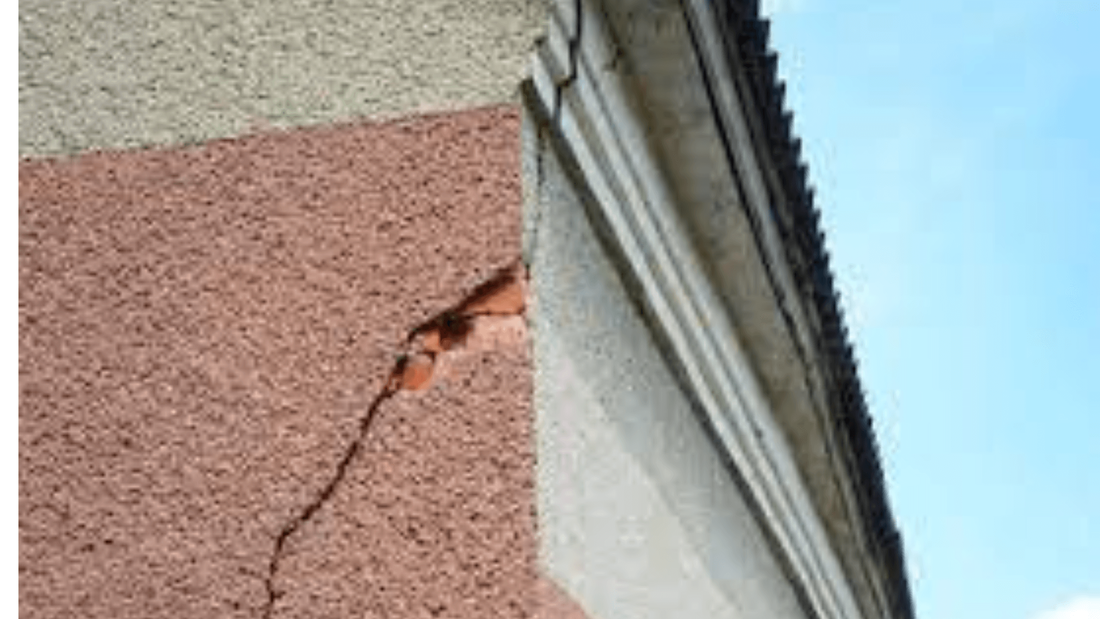 resource:stuccoandbeyond.com 1. Moisture and HumidityExcessive wetness and excessive humidity levels can cause damage to the stucco surface over time. When moisture penetrates the stucco, it can cause cracking, discoloration, bubbling, and softening. These concerns can be reduced with regular inspections and sufficient waterproofing. 2. Extreme TemperaturesExtreme temperatures might also compromise the stucco's integrity. Water trapped within the stucco might expand due to freezing temperatures, resulting in cracks or spalling. Similarly, extreme heat and prolonged sun exposure can cause stucco to crack or fade in color. 3. Freeze-Thaw CyclesStucco deterioration is especially common in areas that experience frequent freeze-thaw cycles. Water that penetrates the stucco and freezes exerts pressure on the substance. Cracks and structural damage can result from this repeated expansion and contraction. 4. Direct SunlightDirect sunshine can cause stucco to fade or lose its original color over time. The sun's UV radiation can degrade the pigments in stucco, resulting in a drab or uneven appearance. Regular inspections and applying protective coatings can help reduce solar damage. 5. Heavy RainProlonged or severe rain can damage stucco, particularly if the surface is not sufficiently covered. Water can leak through cracks or crevices in stucco, causing moisture damage. Water damage can be avoided with proper drainage systems and frequent maintenance. How to Assess the Severity of Stucco Damage1. Facilitate Visual InspectionA visual assessment of the stucco can provide early indications of the level of damage. Look for cracks, discoloration, stains, or soft or bulging areas. During the assessment procedure, record the detected damages to share with professionals. 2. Conduct Physical TestingIn some circumstances, physical testing may be required to determine the extent of stucco damage. This may entail probing the stucco with a screwdriver or moisture meter to detect its condition and the existence of concealed moisture or deterioration. However, professionals should perform physical testing to minimize further injury. 3. Employ a ProfessionalSpeaking with professionals who specialize in stucco inspection and remediation when assessing and resolving stucco damage is essential. They have the knowledge and tools to objectively assess the damage, uncover underlying causes, and offer the best stucco repair water damage solutions. ConclusionIt is crucial to be aware of the signs of stucco damage to maintain your property's integrity and aesthetic appeal. Whether due to inadequate craftsmanship or adverse weather conditions, cracking, discoloration, rotting, crumbling, and damaged caulking indicate exterior deterioration.
By promptly addressing these issues and seeking professional help, you can ensure the longevity and stability of your stucco surfaces. Regular inspections and necessary repairs will enhance your property's appearance and prevent further damage, saving you time and money in the long run.
1 Comment
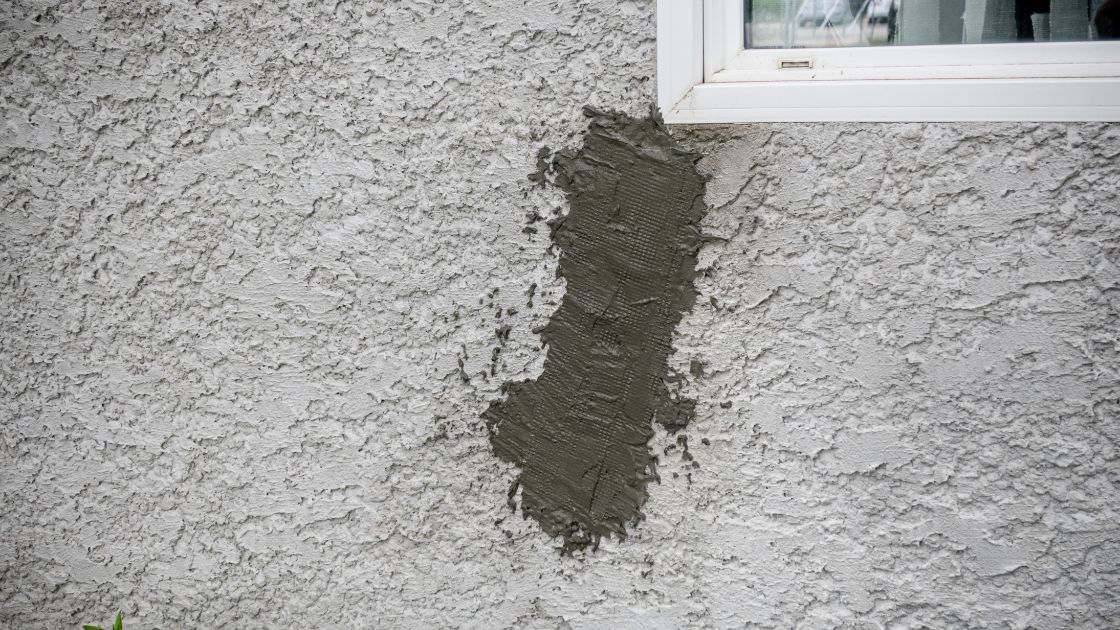 Stucco is a common and versatile material stucco is used to build the exteriors of many homes. It can boost toughness and attractiveness, but it is not indestructible. Over time, stucco may develop cracks, chips, and other damage that needs to be fixed. So, how long does stucco last? This article will address the lifespan of stucco and how long it lasts in a house, as well as suggested procedures for maintaining and repairing stucco. Read on to learn more. Stucco LifespanFor classic stucco, the basic components are water, sand, and Portland cement. If correctly installed and maintained, it can last for many years. The stucco lifespan is 50 to 80 years or more, making it an extremely durable finish material. When compared to other siding materials, it has the lowest annual maintenance cost but is one of the most durable surfaces available. How Long Does Stucco Last on a House?Stucco cannot be introduced and then ignored. It should be routinely maintained and cared for to guarantee maximum durability and endurance. Traditional stucco can last for at least 50 years if installed and maintained correctly. However, if stucco is neglected, it may suffer significant damage and need pricey repairs. The lifespans of various stucco varieties may vary. Due to its energy-saving qualities, synthetic stucco, also known as Exterior Insulation and Finish System or EIFS, is a more recent variety of stucco. However, if synthetic stucco is not put and maintained properly, it may not last as long as conventional stucco and may be more vulnerable to damage. Stucco Repair LifespanThe type of repair, the caliber of the repair work, and the overall upkeep of the stucco throughout time are all factors that affect how long a stucco repair will last. If they are done correctly, minor stucco repair can last for several years or even longer. Small cracks and other damage, however, can grow into bigger issues very rapidly if they are not repaired right once. The longevity of bigger stucco restorations will depend on the caliber of the labor and the general care given to the stucco throughout time. Best Practices for Repair and Maintenance of StuccoIn order to prolong the lifespan of your stucco, adhere to these recommended maintenance and repair procedures:
ConclusionThe longevity of stucco and stucco restoration is significantly influenced by the caliber of the materials used, how they are assembled, and how frequently they are maintained and repaired. Traditional plaster has been known to endure 50 years or longer, but in order for it to do so, it must be routinely inspected and repaired. Homeowners should adhere to the best practices for installing cement and maintaining it.
To prevent water infiltration, the stucco must be properly sealed and flashed. It also needs to be constantly inspected for cracks and damage and repaired as necessary. Homeowners may guarantee that their stucco exterior will remain sturdy, durable, and appealing by taking this action. 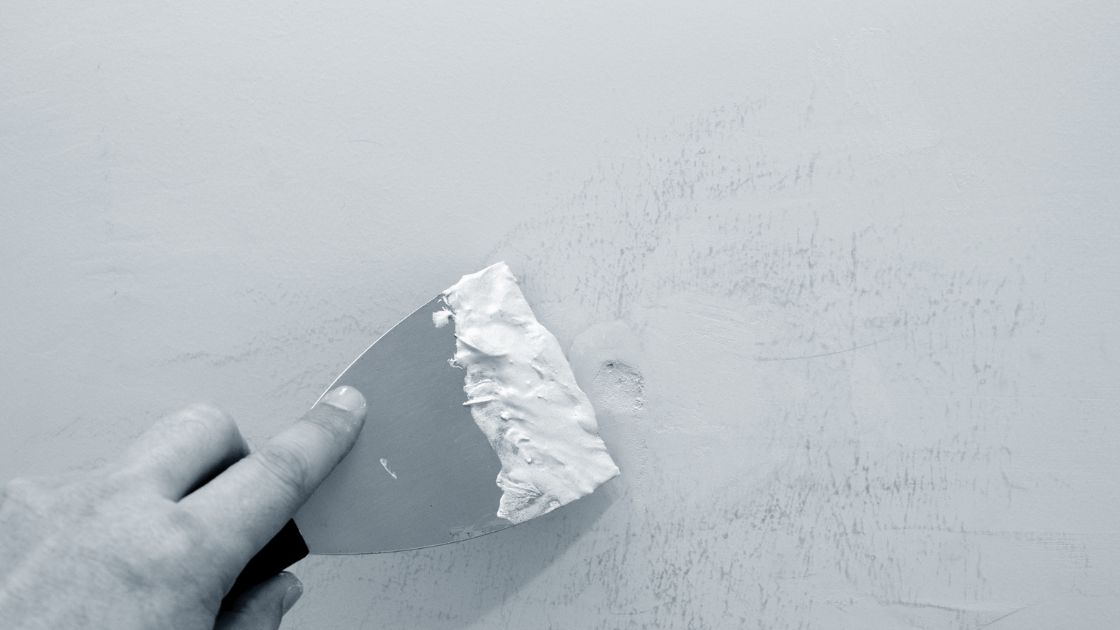 Do you need a dependable solution for repairing stucco cracks on your external walls? You may rely on this page to help! We'll talk about the best stucco repair products on the market so you can make an educated choice. Continue reading to learn more. The Top 5 Stucco Repair ProductsDue to its aesthetically pleasing appearance and durability, stucco exteriors are a popular choice among homeowners. However, stucco may experience cracks and other types of deterioration that need fixing over time. The appropriate product is essential for a durable and efficient stucco restoration solution. Below are the top stucco repair products on the market: Mor-Flexx Stucco & Mortar Sealant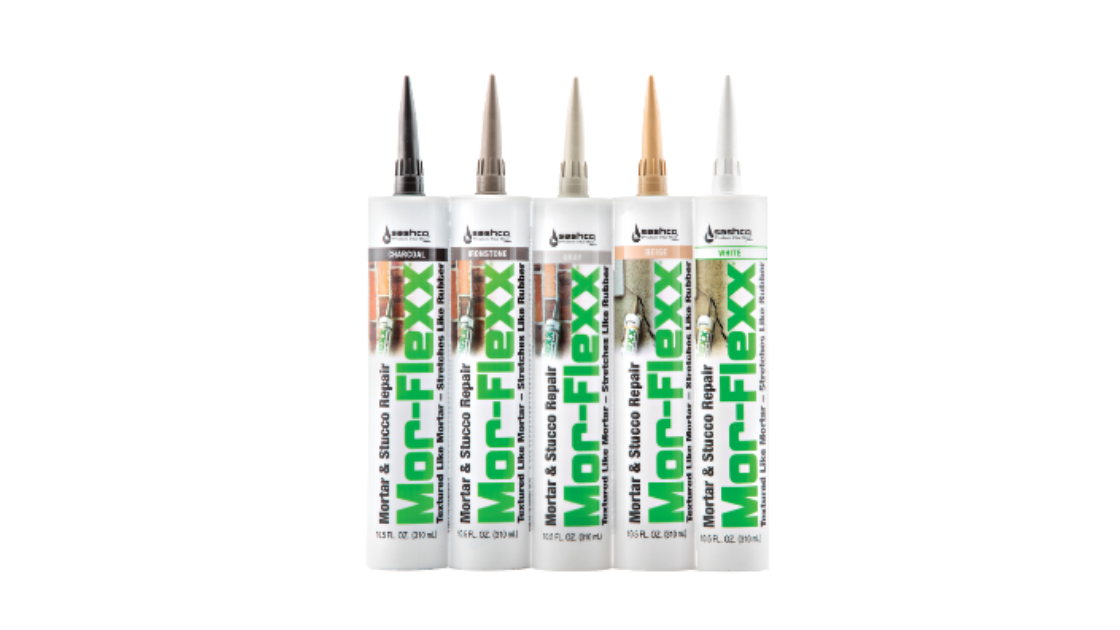 Many professionals favor using this potent sealant. Brick, concrete, stucco, and other surfaces can all be treated with Mor-Flexx Stucco & Mortar Sealant. It is a weather- and temperature-resistant sealer that can survive inclement weather. This product is a great choice for those requiring a quick repair because it is simple and dries quickly. Red Devil Masonry & Concrete Acrylic Sealant 0646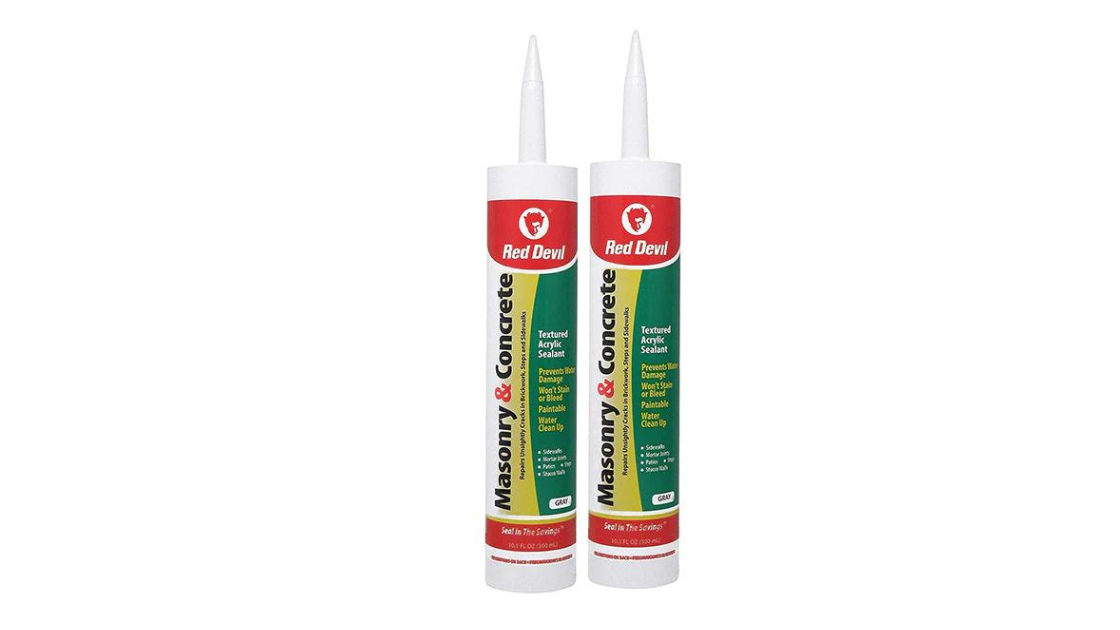 Red Devil Masonry & Concrete Acrylic Sealant 0646This sealer dries to a durable finish and is excellent for concrete and masonry surfaces. Water-based Red Devil Masonry & Concrete Acrylic Sealant 0646 can be painted over once dried. It is also mold and mildew resistant, making it an excellent choice for humid environments. Both internal and exterior repairs can be made using this product, which is simple to use. Through the Roof! Cement & Patching Sealant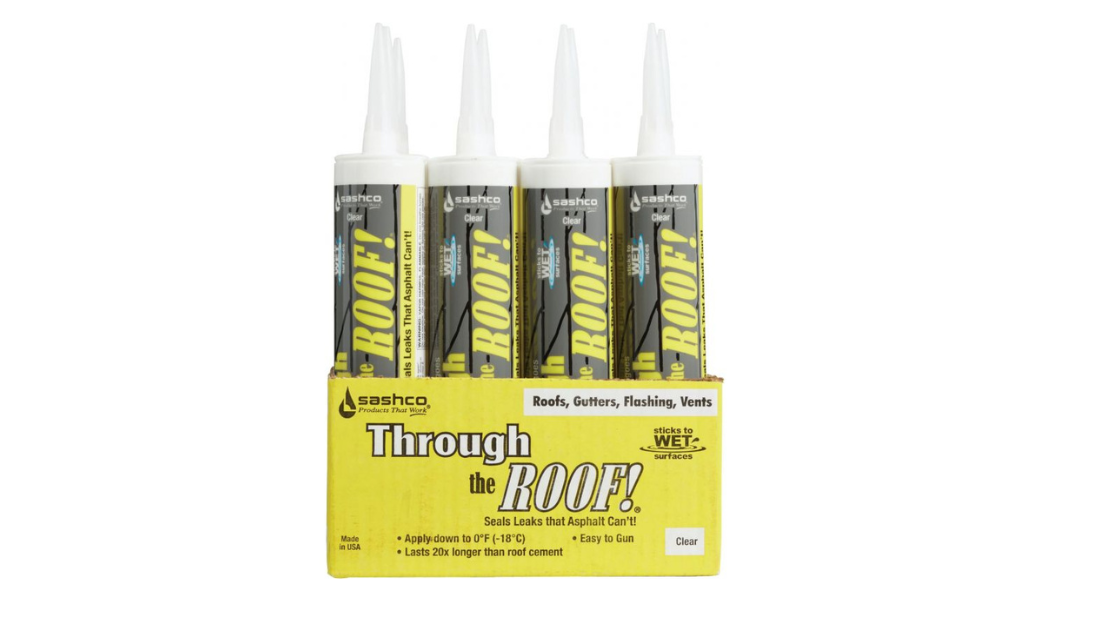 Through the Roof! is a dependable and durable alternative for caulking and fixing cracks. Among homeowners, cement & patching sealant is a preferred option. This sealant was explicitly created for use on roofs, although it can also be applied to stucco and other surfaces. It won't crack or shrink and can be applied in wet or dry conditions. This product is an excellent choice for outdoor repairs because it is UV resistant. Loctite® PL Premium® FAST GRAB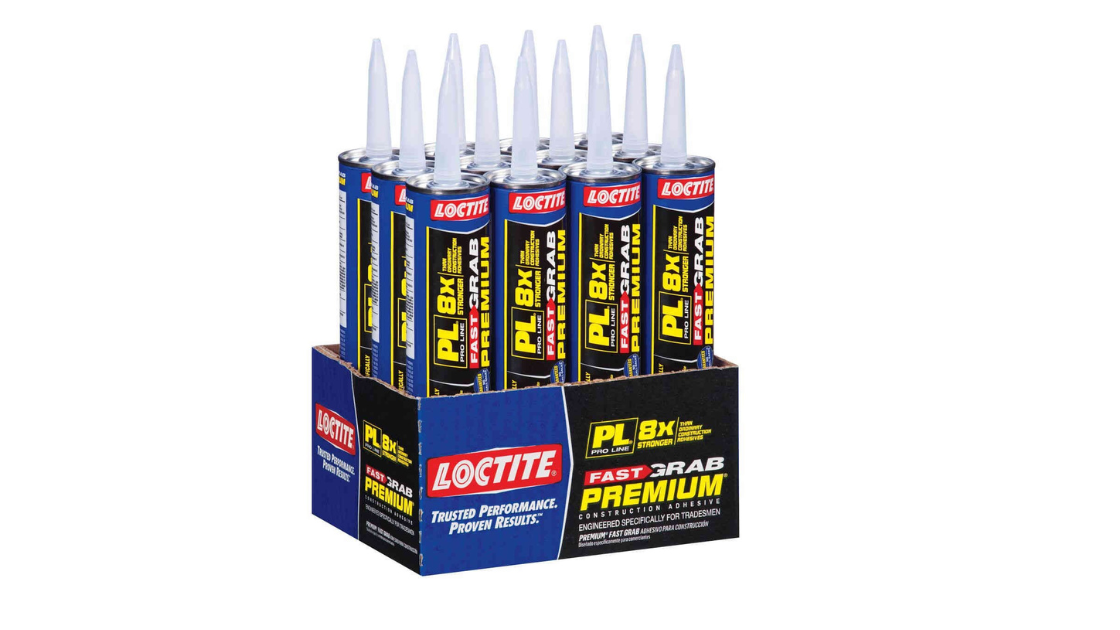 This quick-setting sealant is ideal for individuals who want urgent repairs. You can use Loctite® PL Premium® FAST GRAB on surfaces, including concrete and stucco. The product is adaptable and can be used for interior and outdoor repairs. This sealer is an excellent choice for outdoor repairs because it is waterproof and weatherproof. Once it has cured, it may be painted over, making it simple to match the color of the surface already in place. Alex Plus White Acrylic Latex Caulk Plus Silicone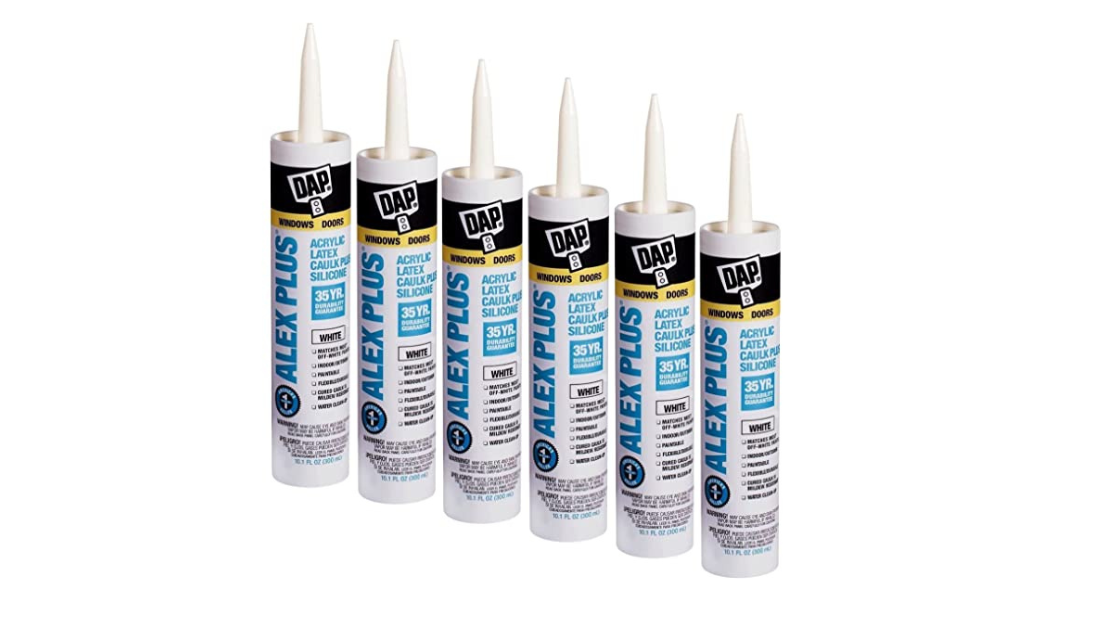 Alex Plus White Acrylic Latex Caulk Plus Silicone is a well-liked option among homeowners since it is a versatile sealer used on various surfaces, including stucco, concrete, and wood. This sealant is an excellent choice for individuals who need rapid repair because it is simple to use and dries quickly. It can also be painted, making it simple to match the color of the surface already in place. ConclusionChoosing the best stucco repair product is essential for a reliable and durable fix. The top-rated products discussed in this article can be used for stucco repair requirements. These items will surely fulfill your demands, whether you require an immediate or long-term fix.
Consider elements like the surface you will be restoring, the extent of the damage, and the local climate when selecting a stucco repair product. You can make sure that you select the best stucco repair product for your needs by considering these aspects. |
|
|
Stucco Repair Tucson
4880 E 29th St #10309, Tucson, AZ 85711 (520) 729-4656 Business Hours Monday- Sunday : 7AM-9PM CALL US: 520-729-4656 |